UNFPA Papua New GuineaSVRI Forum 2026, Bangkok
Standing together against Sorcery Accusation-Related Violence
It begins with a question: what if every community chose not to accuse and attack their vulnerable members?

The challenge
In the Highlands of Papua New Guinea (PNG), a death or sudden illness can lead people to blame someone for causing it supernaturally. These accusations can then escalate to threats, beatings, expulsion and even torture and murder. In PNG today, this is known as sorcery accusation-related violence, or SARV.
SARV is illegal in PNG, and since 2022 even making an accusation carries significant penalties.[24] Rescue, safe houses and legal protection remain vital. The Community Curriculum also asks: what will it take for communities to protect their most vulnerable, instead of attacking them?
Ending SARV will require communities to question harmful explanations, act protectively and publicly stand together, and this initiative sets out a pathway for working with them to do just that.
The Community Curriculum engages trusted local leaders through repeated small-group conversations to build protective networks within churches and communities and prevent violence before it begins.[1, 2, 12]
Communities have asked for further rounds and begun extending the work themselves. Participants describe changes in belief and action, and matched surveys show measurable changes in their responses. Together, these offer promising early evidence for training and supporting local leaders to work among their own people.[18, 21]
Why this belongs at SVRI
Sorcery accusations can turn violence against women into a public, collective act. Men and children are also targeted. Prevention must engage the beliefs that make accusations convincing and the community relationships through which people learn, question and act.[4] Gender and power →
For people working against harmful beliefs and violence elsewhere, the invitation is to work with communities over time, including people whose ideas and actions have sustained harm. The Community Curriculum builds on local leadership and shared commitments to help people question accusations, take responsibility and imagine a different future.[12, 29]
How the programme works
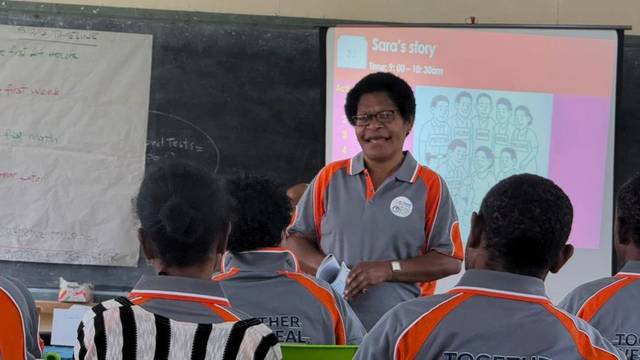
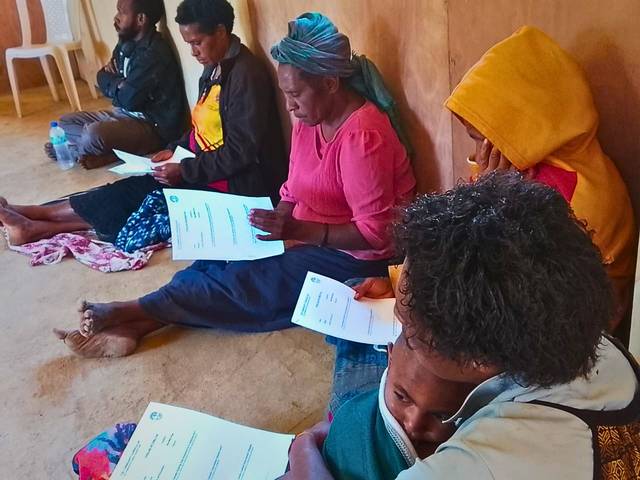
The Community Curriculum brings a deliberately mixed group from each community into a safe learning space with local leaders, pastors, teachers and tribal elders. The leaders and facilitators who host the programme choose whom to invite, drawing people from different churches, clans, factions, ages and genders. Together, participants examine how harmful stories spread, how beliefs change, what PNG law requires, and how peacebuilding and conflict transformation can help communities protect people accused of sorcery. Through repeated dialogue, familiar local metaphors, aligned religious teaching and a shared identity as peacebuilders, participants build the practical and collective skills needed to stand together against violence.
Question harmful explanations
- Reject violence while examining the beliefs used to justify it.
- Explore where accusations come from, how stories spread, and other explanations for illness and death.
Act protectively
- Step in: take personal responsibility to intervene and seek help.
- Know the law and work together to follow it.
- Faith as a foundation: unity, care and love.
Stand together
- Enlist local leaders for trust, local knowledge and legitimacy.
- Grow a network of churches and communities that reject stigma and fear.
- Public support from setup to graduation and beyond.
What the programme contributes. The programme brings together careful examination of sorcery accusations, repeated practice in how to respond, local facilitation and shared responsibility for protection. Its working proposition is simple: people need reasons to reject accusations, and they need support to act safely together. The aim is to cultivate connected communities that keep questioning harmful stories, protecting their neighbours and passing these commitments to the next generation.[29]
The programme in numbers
In 2026, twelve church and community partners brought the curriculum to six Highlands provinces. Eleven delivery groups completed the seven-session series.[21]
Communities taking the work further
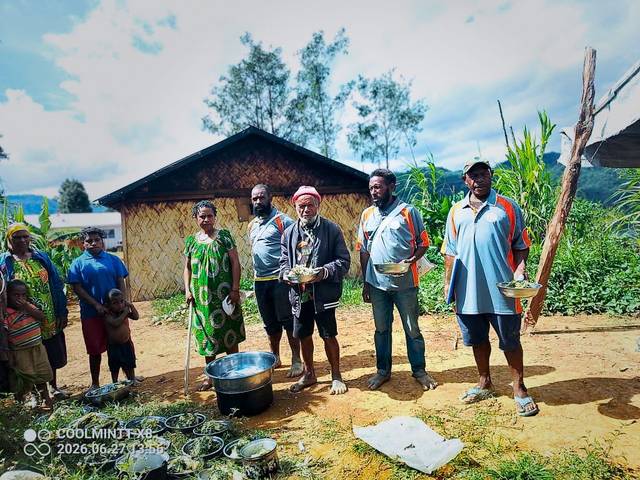
In Gena, Simbu, the coordinator reports that participants went on to launch a community and youth empowerment programme. In Southern Highlands and Jiwaka, community members asked for further rounds and for the course to reach other districts.[8, 21]
At Kongo Kopi, a facilitator introduced sessions during the coffee factory's lunch breaks. Staff asked for more, and the workplace became an additional programme site.[21]
What we are learning
Preliminary survey findings, 29 September 2026.
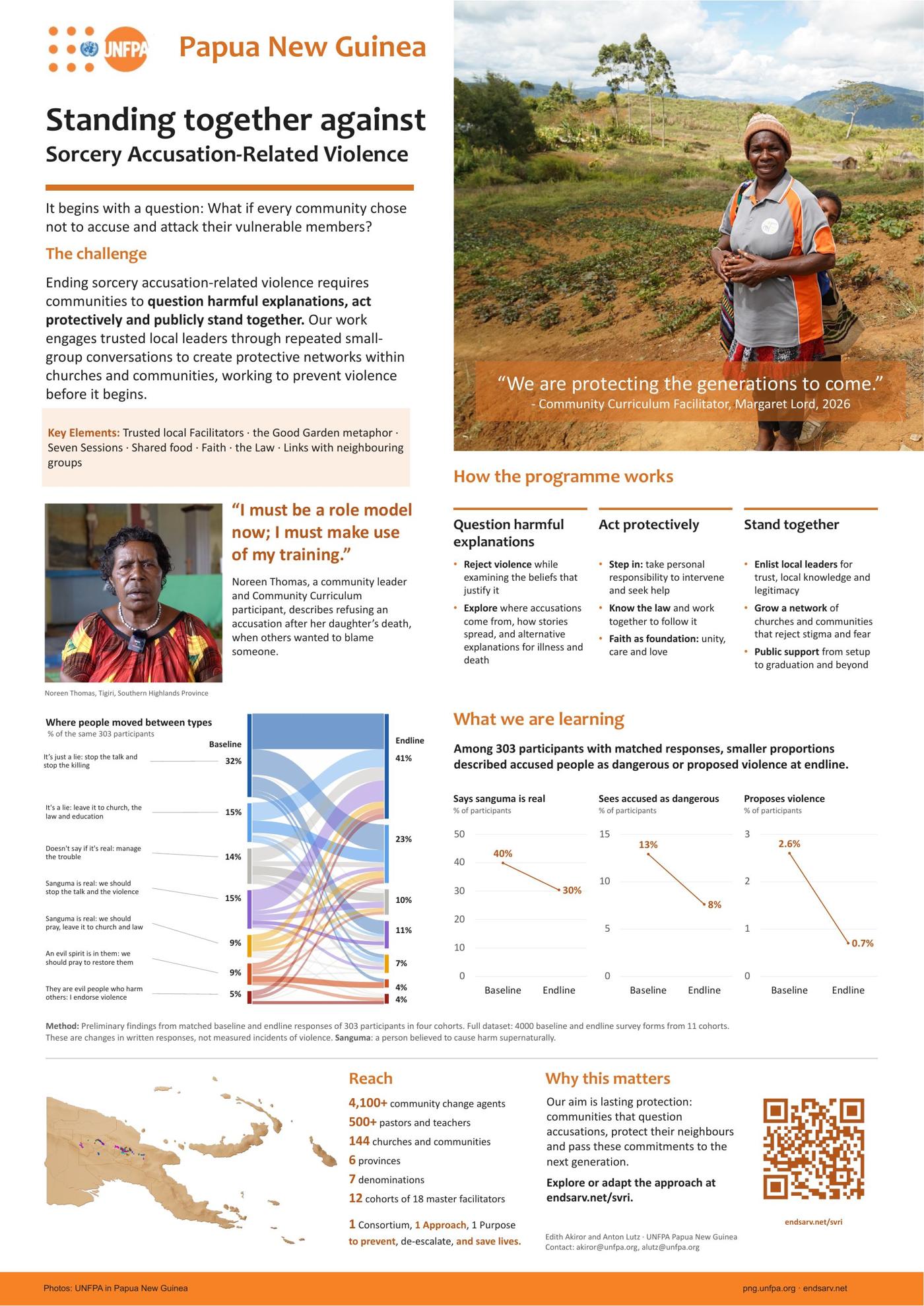
Among the same 303 people surveyed before and after the course in four delivery groups, fewer said sanguma was real, fewer described the person accused as dangerous, and fewer proposed violence:[18]
- Says sanguma is real: 40% to 30%
- Describes the person accused as dangerous: 13% to 8%
- Proposes violence against the person accused: 2.6% to 0.7% (8 people to 2)
These changes in written responses sit alongside participants' accounts of questioning accusations and acting to protect others. They offer grounds for hope; the surveys did not measure a change in violence.
Explore
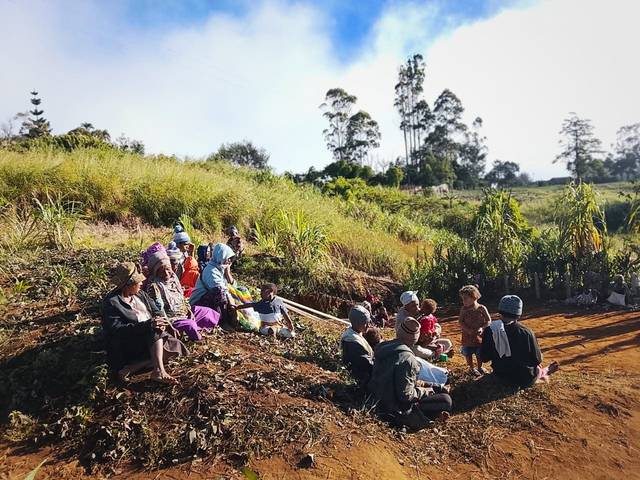
What is SARV
How a story about something invisible and untestable can turn a neighbour into a target. Key terms explained.

How it works
Trusted facilitators, seven sessions, weekly mentoring and public support.
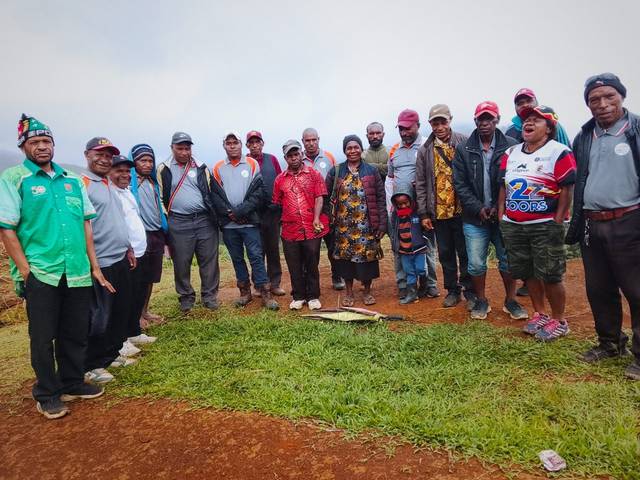
Where
Six Highlands provinces, twelve partners and the map.
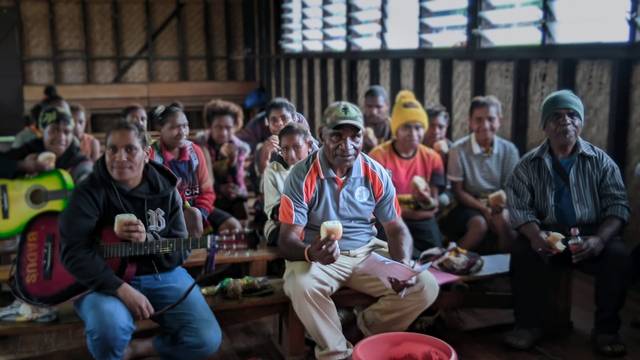
What we are learning
Changes in responses before and after the course.
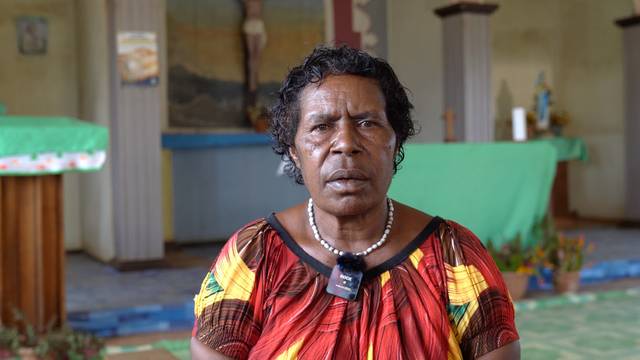
Voices
Participants and facilitators in their own words.
Growing further
Local continuation, adapting the approach, and working with us.
Photos and videos
See the communities, facilitators and graduations on the main endsarv.net site.
Downloads
More reports and the full reference list: Sources and downloads.