After the course
Growing further
The aim is for protection to last beyond the course: communities that question accusations, stand beside their neighbours and pass these commitments to the next generation.
Communities taking it on
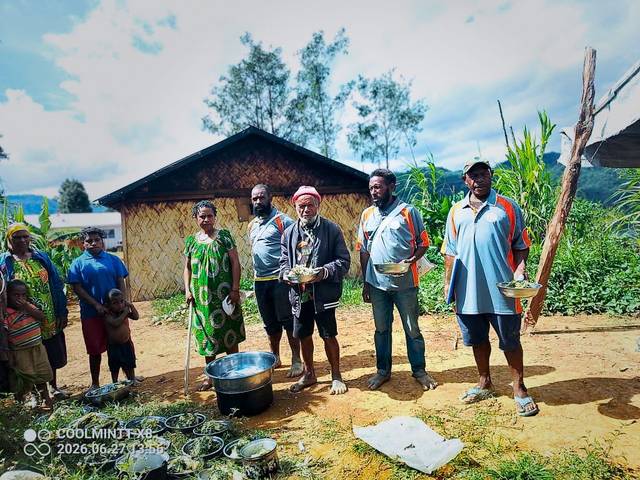
After sessions led by St Christopher Alive Association, the Gena community in Simbu began organising for peacebuilding in July 2026. Its coordinator reports that the community launched its own community and youth empowerment programme in August.[8, 21]
At Kongo Kopi, a facilitator introduced the curriculum during lunch breaks at the coffee factory. Staff asked for more, and the workplace became an additional site in the Maunkui delivery group.[21]
Other communities asked for further rounds. A leader in Tigiri, Southern Highlands, wanted second and third rounds for young people. In Jiwaka, the coordinator reported invitations to take the course to other districts.[21]
What others could adapt
The approach brings examination of harmful beliefs together with trusted local facilitation, repeated discussion, practical preparation and visible community support. In another setting, the work would begin with local people: the stories that justify harm, the relationships through which they spread, and the commitments that can help people question and change them.[12, 13, 29]
Supporting local leaders means more than supplying a booklet. It means preparing them, meeting regularly to work through difficulties, connecting neighbouring groups and making support visible. The language, examples, timetable and religious resources should fit the communities involved.[12, 29]
The community we are working towards
A community where people can grieve without fear of being accused, care for someone who is dying, and grow up without treating a neighbour as a supernatural threat. Where families who fled can return, and the harm done to people in the past is acknowledged and remembered.
This is the programme's ambition: connected communities that keep nurturing change long after the course ends.[29]
Schools and churches
Peter & Grace Make a Difference
A related resource for schools. In August 2026, teachers at Birip and Wamapisa primary schools in Enga reported completing in-service training and preparing to use the materials.[8] Peter & Grace resources on endsarv.net
Wokman Bilong God
A companion resource in Tok Pisin for church leaders; the title means “God's worker”. It was introduced alongside the Community Curriculum and Peter & Grace.[1] Download (PDF, 0.7 MB)
Work with us
We welcome communities, churches, practitioners, funders and researchers who want to support local leaders, adapt the approach or learn alongside the programme. Work with us to build communities that question accusations, protect their neighbours and pass these commitments to the next generation.
UNFPA Papua New Guinea. More about the programme at endsarv.net.